
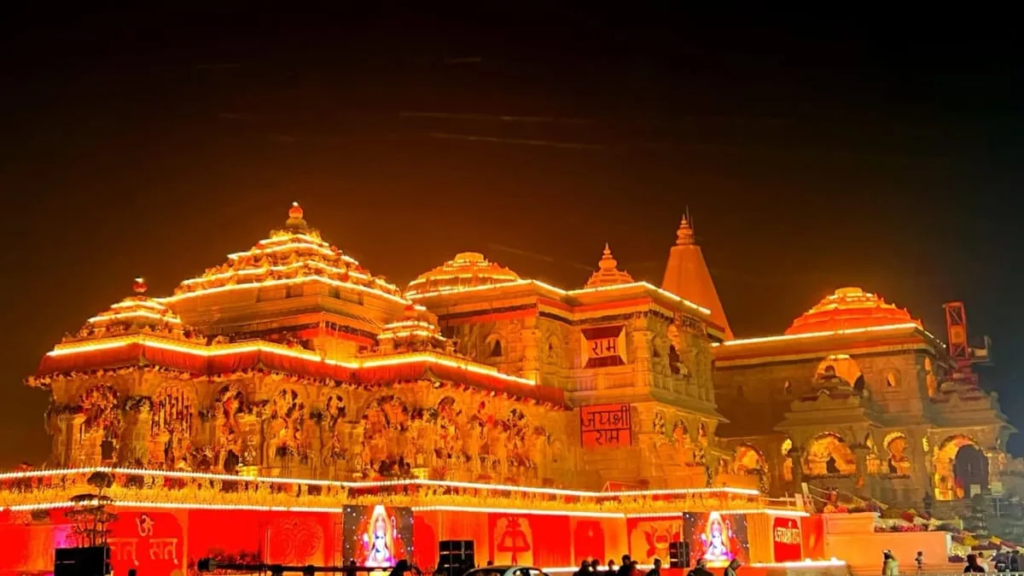
History is more than a collection of dates, names, and old events. It is the story of how people lived, what they believed, what they created, what they struggled with, and how their choices shaped the world we know today.Culture adds another layer to that story. It can be found in food, music, clothing, language, festivals, architecture, stories, family traditions, art, and everyday habits.When we explore history and culture together, the past becomes much easier to understand. A traditional dish may tell us about geography. An old building may reveal how people lived. A festival may carry stories that have been passed from one generation to another.And sometimes, the smallest traditions tell the most interesting stories.
What Is History?
History is the study and interpretation of events and experiences from the past.
It includes much more than major wars, kings, presidents, and famous discoveries. History also includes ordinary people and everyday life.
Historians may study:
- Ancient civilizations
- Kingdoms and empires
- Wars and political changes
- Trade and migration
- Science and inventions
- Art and literature
- Religion and social traditions
- Family and community life
- Economic changes
- Architecture and cities
Imagine finding an old household object in a museum. It may look simple, but it can tell us something about the technology, materials, work, and lifestyle of the people who used it.
That is what makes history fascinating: almost everything has a story behind it.
What Is Culture?
Culture is the collection of ideas, customs, traditions, values, creative expressions, and ways of life shared by a community or society.
Culture isn’t something that only exists in museums.
It is present in everyday life.
Think about the food your family prepares during special occasions, the language spoken at home, the songs people sing, or the way celebrations bring relatives and neighbors together.
These are all examples of culture.
| Part of Culture | Examples |
|---|---|
| Food | Traditional dishes and cooking methods |
| Language | Words, expressions, stories and dialects |
| Music | Folk songs, instruments and musical styles |
| Clothing | Traditional dress and regional styles |
| Festivals | Community celebrations and ceremonies |
| Art | Painting, sculpture, crafts and design |
| Architecture | Homes, temples, monuments and public buildings |
| Stories | Folktales, legends and oral traditions |
Culture can also change. New ideas, migration, technology, travel, and contact between communities can influence traditions over time.
Why Is History Important?
History helps us understand how the present came to be.
Many things that seem normal today have a long story behind them. Cities developed through trade and migration. Languages changed over centuries. Technologies evolved through countless experiments. Social customs shifted as communities changed.
Studying history can help us:
- Understand different societies
- Learn from past experiences
- Appreciate cultural heritage
- Understand how institutions developed
- Recognize patterns of change
- Ask better questions about the present
History isn’t simply about memorizing what happened.
It is about understanding why things happened and what changed afterward.
Why Does Culture Matter?
Culture gives communities a sense of identity and connection.
It can bring people together through shared food, music, celebrations, stories, and traditions. It also gives individuals a way to understand where certain customs and values came from.
At the same time, culture is not fixed.
A tradition may look different from one generation to the next. A family recipe might change slightly. A festival may incorporate modern technology. Traditional clothing might appear in contemporary fashion.
That doesn’t necessarily mean the original culture has disappeared. Sometimes, traditions survive precisely because people find new ways to practice them.
Ancient Civilizations and Their Legacy
Some of the world’s earliest civilizations left behind remarkable achievements.
Ancient societies developed systems of writing, agriculture, architecture, mathematics, trade, government, and engineering.
Examples often studied include:
- Ancient Egypt
- Mesopotamia
- Ancient Greece
- Ancient Rome
- The Indus Valley Civilization
- Ancient China
- The Maya civilization
- The Aztec civilization
Their achievements were different, but each contributed ideas, technologies, cultural practices, or historical experiences that help us understand human development.
For example, ancient cities can tell researchers about urban planning, trade networks, social structures, and daily life.
The Stories Behind Historical Places
Historical places can make the past feel surprisingly close.
Walking through an old city, castle, temple, marketplace, fort, or archaeological site can provide a sense of scale that a textbook cannot always capture.
Architecture can reveal:
- Available building materials
- Climate adaptation
- Religious beliefs
- Social organization
- Engineering knowledge
- Artistic preferences
- Economic resources
An old building is therefore more than an attractive structure. It can be a physical record of the people who built and used it.
Food as a Window Into Culture

Food may be one of the easiest ways to explore culture.
Traditional recipes often reflect local geography, available ingredients, trade routes, climate, and historical influences.
A coastal community may develop a cuisine strongly connected to seafood. Regions with fertile agricultural land may develop dishes around locally grown grains or vegetables.
Food traditions also travel.
Migration and trade have carried ingredients, recipes, cooking methods, and culinary ideas across borders for centuries.
That means a dish can sometimes tell a much bigger story than what’s sitting on the plate.
Festivals and Traditions
Festivals often preserve stories, beliefs, seasonal practices, and community memories.
They can mark important historical events, religious occasions, agricultural cycles, changes in seasons, or cultural milestones.
Different communities celebrate in different ways, but festivals often share some common elements:
- Music
- Food
- Decorations
- Clothing
- Family gatherings
- Storytelling
- Rituals
- Community activities
For many people, festivals are not simply events on a calendar. They are moments when memories, family connections, and traditions come together.
Language and Cultural Heritage
Language carries more than words.
It can preserve stories, humor, traditions, historical memories, and ways of describing the world.
Local languages and dialects may contain expressions that are difficult to translate perfectly into another language. When a language becomes less commonly spoken, some of those unique cultural expressions can also become harder to preserve.
Learning even a few words from another language can therefore provide a small window into another culture.
Art, Music and Literature
Art provides another way to understand history.
Paintings, sculptures, music, poetry, clothing designs, crafts, and literature can reveal what people valued and how they viewed their world.
A historical painting may show clothing and architecture. A folk song may preserve a community story. A novel may reveal attitudes and social conditions from a particular period.
This is why studying culture isn’t limited to reading historical documents.
Creative works can also act as historical evidence and cultural memory.
How Traditions Change Over Time
One of the most interesting things about culture is that it evolves.
A tradition passed down for hundreds of years may not look exactly the same today.
Changes can happen because of:
- Technology
- Migration
- Globalization
- Urbanization
- Education
- Economic changes
- Social movements
- Contact with other cultures
For example, a traditional craft might once have been created entirely by hand, while modern makers may combine traditional techniques with digital tools.
The tradition changes, but parts of its identity can remain.
History and Culture in Everyday Life
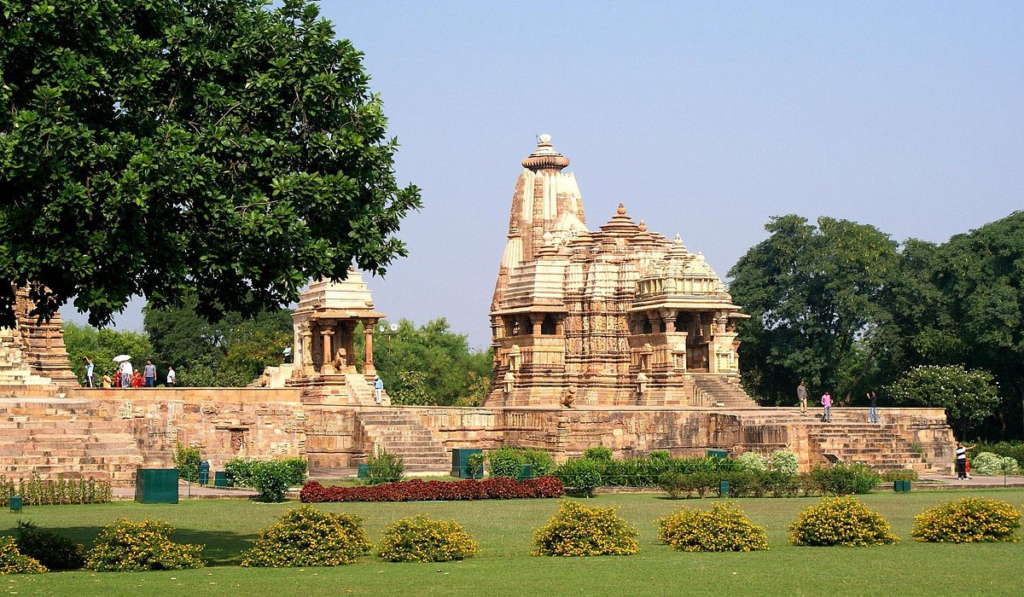
You don’t need to visit a famous museum to explore history.
Look around your own community.
Ask questions about:
- Old buildings
- Local foods
- Family traditions
- Place names
- Regional crafts
- Traditional music
- Community celebrations
- Local stories
- Historic neighborhoods
You might discover that your own surroundings contain stories you have never noticed.
A street name, an old market, or a family recipe could have a surprisingly interesting background.
How to Explore History and Culture
If you’re curious but don’t know where to begin, keep it simple.
Start With Your Own Family
Ask older relatives about childhood memories, family traditions, old photographs, occupations, celebrations, or places they remember.
Write down what they tell you.
Oral memories can disappear surprisingly quickly when nobody records them.
Explore Your Local Area
Visit museums, historic buildings, cultural centers, libraries, monuments, or heritage sites where available.
Take your time rather than trying to see everything.
Read From Multiple Sources
Historical events can be interpreted differently depending on the source and perspective.
Compare reputable books, museum resources, academic materials, archives, and primary sources where possible.
Learn Through Food and Music
Try a traditional recipe. Listen to regional music. Learn about the history behind a particular craft.
Sometimes these experiences make historical information easier to remember.
History vs. Culture: What’s the Difference?
Although history and culture are closely connected, they are not exactly the same.
| History | Culture |
|---|---|
| Focuses on the past and change over time | Focuses on ways of life and shared expressions |
| Studies events and developments | Includes customs, traditions and values |
| Uses documents, artifacts and other evidence | Appears in food, language, music, art and daily life |
| Helps explain how societies changed | Helps explain how communities express identity |
| Often examines causes and consequences | Often explores meaning and shared practices |
The two subjects overlap constantly.
A historical event can influence culture, while cultural traditions can also help historians understand the past.
Why Learning About Other Cultures Matters
Exploring another culture can challenge assumptions.
Something that feels completely normal in one community may be unfamiliar somewhere else. That doesn’t automatically make one approach better or worse.
It simply shows that humans have developed many different ways of organizing everyday life.
Learning about these differences can encourage curiosity, empathy, and a broader understanding of the world.
The goal isn’t to memorize every tradition.
It’s to become more comfortable asking:
“Why do people do things this way?”
That question can lead to fascinating discoveries.
Preserving Cultural Heritage
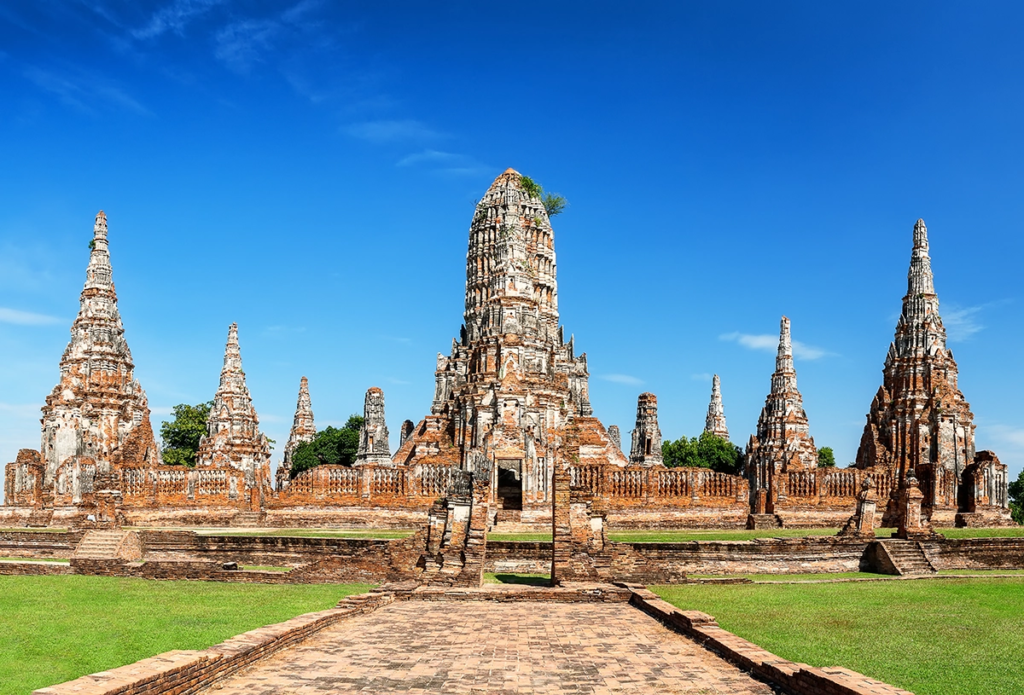
Cultural heritage can be tangible or intangible.
Tangible heritage includes things such as:
- Historic buildings
- Artifacts
- Monuments
- Traditional clothing
- Artwork
- Archaeological sites
Intangible heritage can include:
- Languages
- Songs
- Stories
- Recipes
- Traditional skills
- Performing arts
- Customs
Preservation can involve museums, archives, educational programs, community organizations, families, and individual storytellers.
Even something as simple as recording a grandparent telling a family story can help preserve a small piece of personal history.
FAQ’S
1.What is history and culture?
History is the study of the past, including people, events, societies, and changes over time. Culture includes the traditions, customs, language, food, art, music, and values shared by communities.
2.Why is history important?
History helps us understand how societies developed, why major changes happened, and how past experiences influenced the world we live in today.
3.Why is culture important?
Culture gives communities a sense of identity and helps preserve traditions, stories, languages, customs, art, and shared experiences across generations.
4.What are examples of cultural traditions?
Cultural traditions can include festivals, traditional foods, clothing, music, dance, storytelling, crafts, ceremonies, languages, and family customs.
5.How are history and culture connected?
History and culture influence each other. Historical events can change traditions and lifestyles, while cultural practices can provide valuable insights into how people lived in the past.