
Being fit does not always mean spending hours in a gym or following a strict workout plan.Additionally, it is simply about moving your body more, eating reasonably well, sleeping enough, and creating habits you can maintain.Modern life makes staying active surprisingly difficult.Additionally, we sit at desks and spend hours on phones.We also commute and watch shows, and the day ends with time lost.That challenge affects Fitness plans.The good news is that you do not need to compltely change your lifestyle overnight.A short walk after dinner, taking the stairs, stretching between work sessions, playing with your children, cycling on weekends, or doing a quick home workout can all add movement to your day.Fitness is not about being perfect. It is about being consistent.
What Does Active Living Mean?

Active living means finding regular opportunities to move throughout your day rather than thinking exercise only counts when you are in a gym.
It can include:
- Walking
- Cycling
- Swimming
- Dancing
- Strength training
- Yoga
- Stretching
- Sports
- Hiking
- Household activities
- Gardening
- Playing outdoors
The idea is simple: make movement a normal part of everyday life.
You do not have to enjoy every type of exercise. The best activity is often the one you actually enjoy enough to keep doing.
Why Staying Active Matters
Regular physical activity can support overall health and well-being. It can help maintain physical fitness, support heart health, strengthen muscles and bones, and contribute to better mood and energy.
Exercise can also provide a useful break from a busy routine.
Sometimes, a 20-minute walk is not just about burning calories. It can give you time to clear your head, listen to music, enjoy some fresh air, or simply step away from a screen.
Movement can benefit both your body and your everyday routine.
Start Small Instead of Going All In
One of the biggest mistakes people make when starting fitness is doing too much too soon.
You feel motivated on Monday, decide to exercise every day for an hour, completely change your diet, and promise yourself you will never miss a workout.
Then Wednesday arrives.
Work gets busy. You feel tired. You skip the workout. By Friday, the entire plan has disappeared.
A more realistic approach is to start small.
Try:
- A 15-minute walk
- Ten minutes of stretching
- Two short strength sessions per week
- Taking the stairs when practical
- A quick home workout
- Walking during phone calls
Small habits are easier to repeat, and repeated habits can become part of your lifestyle.
Find Activities You Actually Enjoy
Fitness should not feel like punishment.
If you hate running, you do not have to become a runner.
Try dancing, swimming, cycling, hiking, badminton, yoga, strength training, walking, or another activity that feels enjoyable.
Think back to what you liked doing as a child. Maybe you enjoyed riding a bicycle, playing football, dancing, or simply being outside.
That kind of enjoyment can still exist as an adult.
The best workout is often the one you look forward to doing.
Walking Is Seriously Underrated
Walking may seem too simple to count as exercise, but it can be an easy way to add more movement to your day.
You could:
- Walk after meals
- Take a short morning walk
- Walk while talking on the phone
- Park farther away when practical
- Take the stairs
- Walk to nearby places instead of driving
You do not need a complicated setup.
A comfortable pair of shoes and a little time can be enough to get started.
Add Strength Training

Strength training is not only for bodybuilders or athletes.
It can be useful for many people because maintaining muscle strength is an important part of staying physically capable.
You can begin with simple movements such as:
- Squats
- Lunges
- Push-ups
- Rows
- Glute bridges
- Planks
You can perform many exercises using your body weight, while resistance bands or weights can provide additional challenge.
If you are new to strength training, focus on learning good technique rather than lifting heavy immediately.
Do Not Forget Flexibility and Mobility
Strength and cardio often get most of the attention, but mobility and flexibility are also useful parts of an active lifestyle.
Simple stretching can be included after activity or during breaks from sitting.
Try gentle movements for areas that feel stiff after spending a lot of time at a desk, such as the shoulders, hips, back, and legs.
You do not need to spend an hour stretching.
Even five to ten minutes of regular mobility work can make it easier to stay comfortable and move naturally.
Make Movement Part of Your Workday
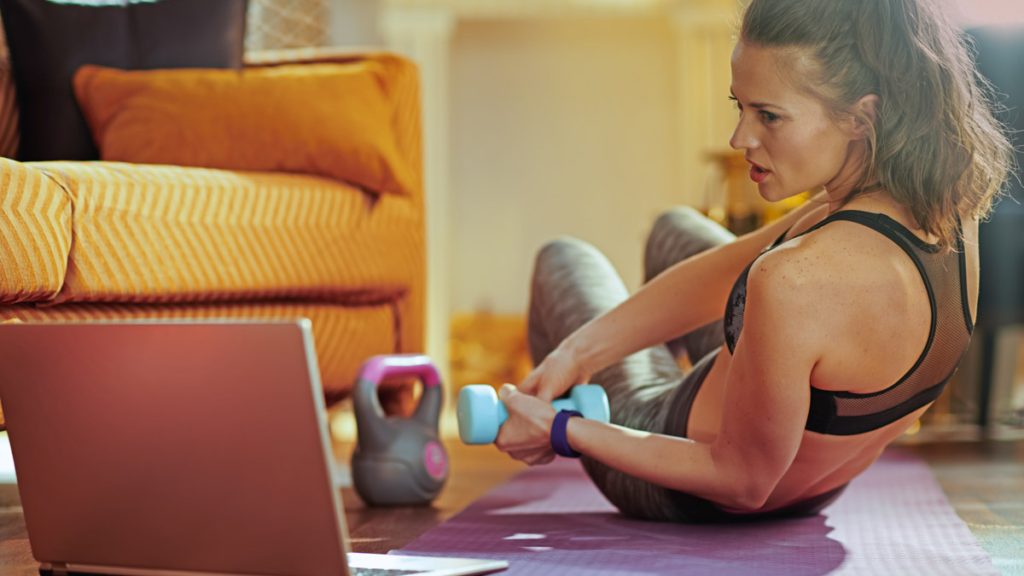
If you work at a desk, sitting for long periods can become a habit without you even noticing.
You can add small movement breaks throughout the day.
For example:
Every 30–60 minutes: stand up, walk around, stretch, or change position.
You could also take a short walk during lunch instead of spending the entire break at your desk.
These little changes may seem insignificant individually, but they can make your day feel less physically stagnant.
Create a Workout Routine That Fits Your Life
Your fitness routine should fit your schedule—not the other way around.
If you have only 20 minutes, create a 20-minute routine.
If mornings are chaotic, exercise later.
If you prefer weekends, use them for longer activities and keep weekdays simple.
A basic weekly routine might include:
| Activity | Example |
|---|---|
| Walking | Several short walks |
| Cardio | Cycling, swimming, jogging, or dancing |
| Strength | 2–3 sessions |
| Mobility | Short stretching sessions |
| Rest | Recovery days as needed |
| Fun activity | Sport, hike, or outdoor activity |
There is no need to copy someone else’s exact schedule.
Your routine should work with your real life.
Pay Attention to Recovery
More exercise is not always better.
Your body needs time to recover, especially after challenging workouts.
Recovery can include:
- Rest days
- Adequate sleep
- Balanced meals
- Hydration
- Gentle movement
- Managing workout intensity
If you constantly feel exhausted or unusually sore, it may be a sign that your routine needs adjustment.
Rest is not laziness. It is part of training.
Eat to Support Your Activity
Fitness and food are closely connected, but healthy eating does not need to mean following an extremely restrictive diet.
Aim for balanced meals that include a variety of nutritious foods.
Depending on your needs, this may include:
- Vegetables
- Fruits
- Whole grains
- Protein-rich foods
- Healthy fats
- Dairy or suitable alternatives
- Plenty of fluids
Try not to think of food as simply “good” or “bad.”
A balanced approach leaves room for foods you enjoy while still giving your body the nutrients it needs.
Healthy eating should feel sustainable, not like a punishment.
Stay Hydrated

Water plays an important role in everyday health and physical activity.
Keep water nearby throughout the day, particularly when exercising or spending time in hot conditions.
Your hydration needs can vary depending on factors such as weather, activity level, body size, and individual circumstances.
Instead of obsessing over one universal number, pay attention to your body’s needs and make regular hydration part of your routine.
Sleep Is Part of Fitness
It is easy to focus entirely on workouts and forget about sleep.
But recovery does not stop when you leave the gym.
Quality sleep supports physical recovery, energy, concentration, and overall well-being.
If possible, try to create a consistent sleep routine.
Simple habits can help:
- Keep a regular bedtime
- Reduce unnecessary screen time before bed
- Make your bedroom comfortable
- Avoid very heavy meals close to bedtime
- Give yourself enough time to sleep
Sometimes the best thing you can do for tomorrow’s workout is simply go to bed on time tonight.
Stay Active Without Going to the Gym
You do not need a gym membership to live an active lifestyle.
At home, you can:
- Do bodyweight workouts
- Follow a mobility routine
- Dance
- Use resistance bands
- Practice yoga
- Walk outside
- Exercise in short sessions
You can also make everyday activities more active.
Cleaning the house, gardening, walking to nearby shops, or playing outdoors can all involve movement.
Fitness can happen in ordinary moments.
Make Exercise More Enjoyable

If workouts feel boring, change the environment.
Listen to music, watch a fitness class, exercise with a friend, join a sports group, or explore a new walking route.
Some people enjoy tracking their progress, while others find tracking stressful.
There is no right answer.
The goal is to find what keeps you engaged.
You can even create small rewards for consistency that have nothing to do with food—such as buying a new book, taking a relaxing day trip, or enjoying a favorite hobby.
Avoid Comparing Your Progress
Social media can make fitness comparison almost impossible.
You see someone’s workout routine, body transformation, running speed, or lifting record and suddenly feel like you are behind.
Remember that you are seeing one part of another person’s story.
Fitness looks different for everyone.
Your starting point, schedule, genetics, experience, lifestyle, and goals are not identical to someone else’s.
Measure progress against yourself.
Maybe you can walk farther than you could last month. Maybe you have better balance, more energy, or improved strength.
Those changes matter.
Stay Consistent When Motivation Disappears
Motivation comes and goes.
Some mornings you will feel excited to exercise. Other days, the sofa will look much more attractive.
This is normal.
Instead of depending entirely on motivation, build routines that make movement easier.
Keep your workout clothes ready. Schedule exercise at a convenient time. Choose activities you enjoy. Start with a short session when you do not feel motivated.
And remember:
Doing something small is usually better than doing nothing because the perfect workout did not happen.
Listen to Your Body
Fitness should challenge you, but pain and serious discomfort should not simply be ignored.
If you experience persistent pain, dizziness, unusual shortness of breath, chest pain, or other concerning symptoms during exercise, stop and seek appropriate medical advice.
People with certain medical conditions, injuries, or specific exercise concerns should consider speaking with a qualified healthcare or fitness professional before starting a new exercise program.
Smart fitness means knowing when to push and when to recover.
Build an Active Lifestyle, Not Just a Workout Plan
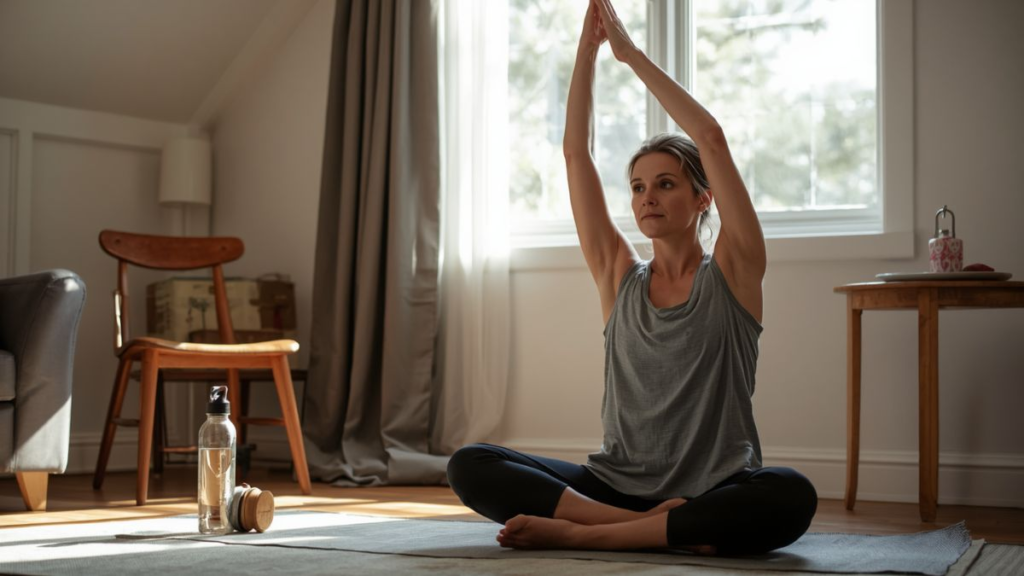
A workout lasts for a short period.
An active lifestyle continues throughout the day.
Take the stairs when practical. Walk more. Stretch while watching television. Spend time outdoors. Play a sport. Go for a weekend hike. Dance while cooking.
These little choices can make movement feel less like another appointment on your calendar.
And that is the real beauty of active living.
You are not trying to become a different person overnight.
You are simply creating a lifestyle where taking care of your body becomes normal.
FAQ’S
1. What is active living?
Active living means including regular movement throughout your day through activities such as walking, cycling, exercise, sports, stretching, gardening, and other everyday activities.
2. Do I need a gym to stay fit?
No. You can stay active with walking, home workouts, bodyweight exercises, cycling, dancing, yoga, or outdoor activities without joining a gym.
3. How can beginners start exercising?
Start with manageable activities such as short walks, gentle stretching, or simple bodyweight exercises. Gradually increase the duration or intensity as your fitness improves.
4. How often should I exercise?
The appropriate amount varies by person, but adults are generally encouraged to include regular aerobic activity and muscle-strengthening activities as part of a healthy lifestyle.
5. Is walking good for fitness?
yes. Walking is an accessible way to add regular movement to your routine and can be especially useful for people who are beginning to become more active.
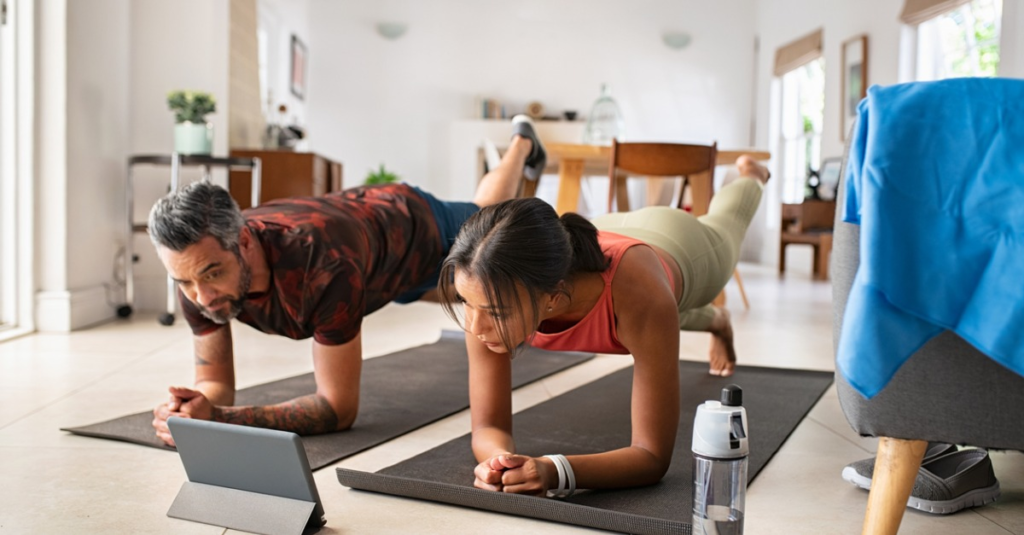
Fitness & Active Living: Simple Ways to Stay Fit & Feel Great
Being fit does not always mean spending hours in a gym or following a strict…

History & Culture: Discover the Past and Its Traditions
History is more than a collection of dates, names, and old events. It is the…

The Ultimate Guide to Surprising Facts About the Mind
Have you ever wondered why you remember an embarrassing moment in Psychology from years ago?…

Self-Driving Technology: The Future of Autonomous Cars
Imagine getting into your car, entering a destination, and letting the vehicle handle the road…
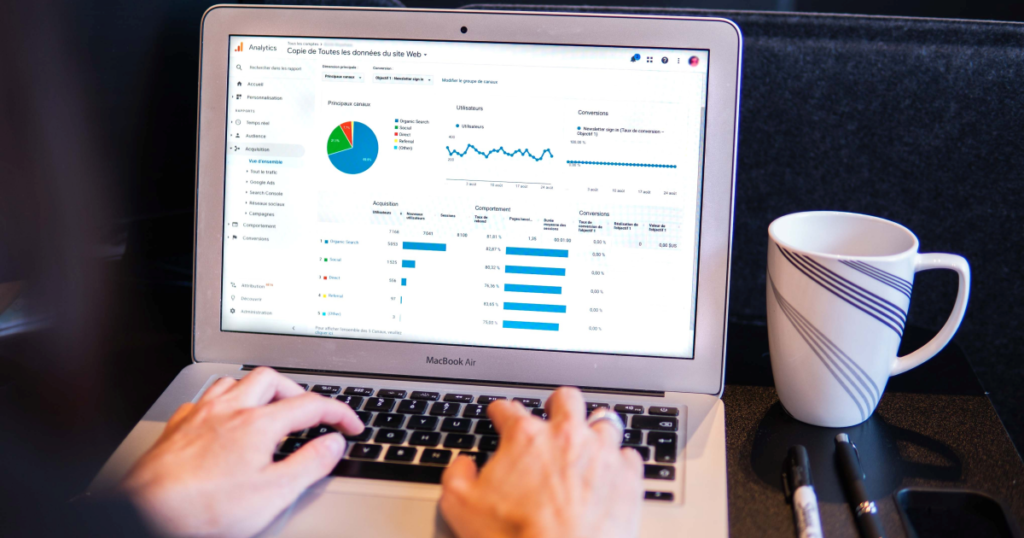
Software & Apps Reviews: Discover the Best Digital Tools
Software & Apps Reviews: Discover the Best Digital Tools software or an app can look…
Instagram Trends: Latest Ideas for Reels & Social Growth
Instagram is no longer just a place to share polished photos. It has become a…