
Have you ever wondered why you remember an embarrassing moment in Psychology from years ago? However, you may forget what you had for lunch yesterday. Similarly, one person stays calm under pressure while another feels overwhelmed.
These everyday moments are connected to psychology and human behavior. Moreover, Psychology helps us understand how people think, feel, learn, make decisions, build relationships, and respond to world around them.
The human mind is incredibly complex. Learning a few basic Psychology ideas can make everyday behavior easier to understand. It can help us communicate better, recognize our own habits, and become more aware of why we react in certain ways.
What Is Psychology?
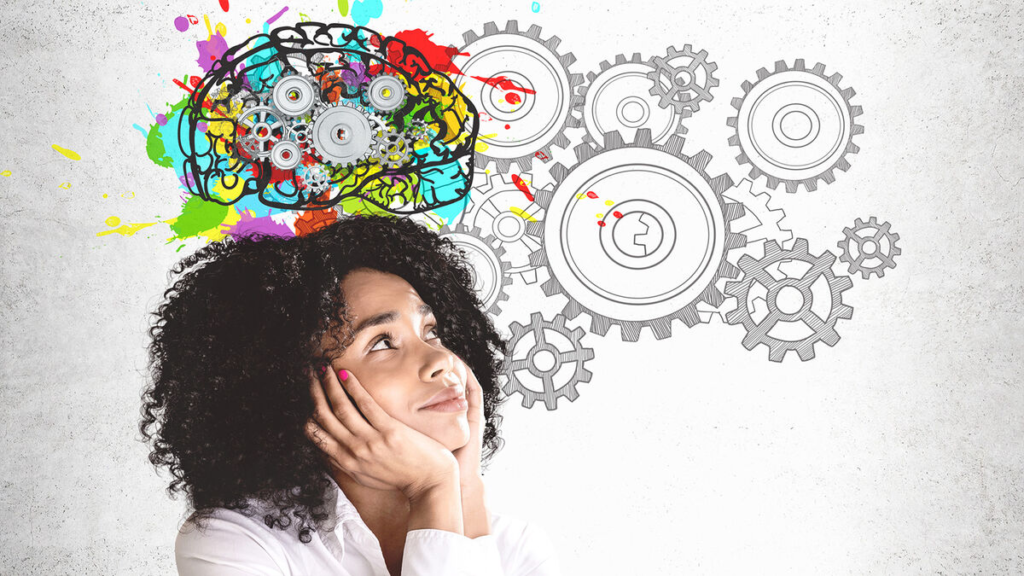
Psychology is the study of the mind and behavior. It explores how people think, experience emotions, learn information, develop habits, interact with others, and respond to different situations.
Psychology isn’t only something discussed in textbooks or research laboratories. It appears in ordinary life.
When you procrastinate on an important task, feel nervous before meeting someone new, become motivated after receiving praise, or change your opinion after hearing another person’s argument, psychology is involved.
In simple terms, psychology helps explain why people think, feel, and behave the way they do.
How Does the Human Mind Work?
The brain receives information from the world, processes it, stores memories, manages emotions, and helps us make decisions. But our thoughts aren’t always perfectly objective.
We often interpret situations based on our previous experiences, expectations, emotions, and surroundings.
For example, imagine two people receive the same short text message: “We need to talk.”
One person might immediately worry that something is wrong. Another might assume it’s a normal conversation.
The message is identical, but their interpretations are different.
This is one reason understanding human behavior requires more than simply looking at what someone does. We also need to consider context.
Thoughts, Feelings, and Behavior Are Connected
One of the most useful ideas in psychology is that thoughts, emotions, and behaviors can influence one another.
Consider this simple example:
| Situation | Thought | Feeling | Possible Behavior |
|---|---|---|---|
| Giving a presentation | “I might make a mistake” | Nervousness | Avoiding eye contact |
| Starting a new hobby | “I can learn this” | Excitement | Practicing regularly |
| Receiving criticism | “I’m not good enough” | Sadness | Giving up |
| Meeting a new person | “They seem friendly” | Comfort | Starting a conversation |
This doesn’t mean every person reacts in exactly the same way. Human behavior is influenced by personality, experiences, culture, environment, and many other factors.
Still, noticing the connection between what you think, what you feel, and what you do can be a useful form of self-awareness.
Why Do People Develop Habits?
Habits are behaviors that become easier to repeat through regular practice and familiar patterns.
Think about checking your phone after waking up. You may not consciously decide each morning, “Today I will check my phone immediately.” Over time, the action can become part of your routine.
Habits often involve a repeated pattern:
Cue → Behavior → Result
For example:
Notification → Check phone → Receive information or entertainment
The result can encourage the behavior to happen again.
This is why changing a habit can be difficult. Simply telling yourself to “stop” may not address the situation that triggers the behavior.
A more practical approach is to identify the cue, understand the behavior, and consider a healthier or more useful replacement.
Why Do We Remember Some Things Better Than Others?
Memory is not simply a perfect recording of everything that happens. Human memory can be influenced by attention, emotion, repetition, and context.
You are more likely to remember information when you pay close attention to it or connect it with something meaningful.
For example, you may forget a person’s name five minutes after meeting them because you were focused on the conversation. But if that person later becomes a close friend, their name may become deeply familiar.
Emotion can also make experiences feel particularly memorable.
However, feeling that you remember something clearly does not necessarily mean every detail of the memory is perfectly accurate. Memories can change or become incomplete over time.
Why Do Emotions Matter?
Emotions influence attention, decisions, relationships, and behavior.
Happiness may encourage social interaction. Fear can make us pay closer attention to potential danger. Frustration can signal that something isn’t going as expected.
Emotions aren’t simply “good” or “bad.” They often provide information about how we are experiencing a situation.
For example, feeling frustrated while learning something difficult might indicate that you need a break, a different explanation, or more practice.
Emotional awareness means noticing what you are feeling without automatically letting that emotion control your next action.
Why Do People Procrastinate?
Procrastination is often misunderstood as simple laziness.
In many situations, people postpone tasks because of stress, uncertainty, boredom, perfectionism, or fear of failure.
Imagine someone has to write an important report. The task feels large and intimidating, so they decide to check social media “for five minutes.” Those five minutes become thirty.
The problem may not be a lack of ambition. The task may simply feel uncomfortable.
Breaking a large task into smaller actions can make it easier to begin.
Instead of saying:
“I need to finish this entire project.”
Try:
“I’ll work on the first section for 15 minutes.”
Starting is often psychologically easier when the goal feels manageable.
Why Do People Compare Themselves to Others?

Social comparison is a common part of human behavior.
People naturally notice how they are doing compared with those around them. This can sometimes motivate improvement, but it can also create unnecessary pressure.
Social media can make this especially complicated because people usually share selected moments rather than their entire lives.
You might see someone’s new job, holiday, fitness progress, or successful business without seeing the years of effort, failures, uncertainty, or ordinary days behind it.
A healthier perspective is to use comparison as information rather than a measurement of personal worth.
Ask yourself:
- What can I learn from this person?
- What goal matters to me?
- Am I comparing my everyday life with someone else’s highlight reel?
- What progress have I made recently?
How Does Personality Influence Behavior?
Personality refers to relatively consistent patterns in how people think, feel, and behave.
Some people naturally enjoy social situations, while others prefer quieter environments. Some like detailed planning, while others are more comfortable being spontaneous.
However, personality doesn’t mean behavior is permanently fixed.
A person who feels shy in one situation may become confident after gaining experience. Someone who dislikes public speaking may become comfortable with practice.
This is an important distinction: personality can influence behavior, but circumstances and learning also matter.
Why Do People Make Decisions Differently?
Two people can have access to the same information and still reach different conclusions.
Decision-making can be influenced by:
- Previous experiences
- Personal goals
- Emotions
- Risk tolerance
- Available information
- Social pressure
- Time constraints
- Expectations
Sometimes people rely on mental shortcuts to make decisions quickly. These shortcuts can be useful, but they can also lead to mistakes.
For example, someone may assume that a product is better simply because it is more expensive. Price can be useful information, but it doesn’t automatically prove quality.
Being aware of these patterns can encourage more thoughtful decision-making.
What Are Cognitive Biases?
Cognitive biases are systematic patterns that can influence how people process information and make judgments.
One familiar example is confirmation bias. People may pay more attention to information that supports what they already believe while giving less attention to information that challenges their views.
For example, if someone strongly believes that a particular diet works for everyone, they may focus heavily on success stories while overlooking evidence showing that results can vary.
The goal isn’t to eliminate every bias—we all have limitations in how we process information. Instead, recognizing them can help us pause, question our assumptions, and consider other evidence.
Why Is Body Language Important?
Communication isn’t limited to spoken words. Facial expressions, gestures, posture, eye contact, and tone can also provide social information.
For example, crossed arms might sometimes suggest discomfort, but it could also simply mean someone is cold or standing comfortably.
That’s why body language should not be treated like a universal dictionary.
Context matters.
Rather than assuming you know exactly what someone is thinking based on one gesture, consider the person’s overall behavior and the situation.
How Does Environment Affect Human Behavior?
People don’t behave independently of their surroundings.
Workplaces, schools, families, communities, technology, and social groups can all influence behavior.
For instance, someone might be highly focused in a quiet room but struggle to concentrate in a noisy environment.
This doesn’t necessarily mean their ability has suddenly changed. The environment itself can affect attention and performance.
A small environmental change—such as putting your phone away while studying—can sometimes make a noticeable difference.
Why Do Relationships Affect Us So Much?

Humans are social beings, and relationships can strongly influence emotions and behavior.
Supportive relationships can provide companionship, encouragement, and a sense of belonging. Difficult relationships can create stress, uncertainty, or emotional exhaustion.
Healthy communication often involves more than speaking clearly. It also requires listening, asking questions, respecting boundaries, and trying to understand another person’s perspective.
No relationship is perfect, but small habits such as expressing appreciation or addressing misunderstandings early can make everyday interactions easier.
Psychology in Everyday Life
You don’t need to become a psychologist to use psychological knowledge.
You can apply simple ideas to everyday situations:
| Everyday Situation | Psychology-Based Approach |
|---|---|
| Feeling overwhelmed | Break the task into smaller steps |
| Forgetting information | Use repetition and meaningful connections |
| Procrastinating | Identify the trigger and start with a small action |
| Misunderstanding someone | Ask questions instead of assuming |
| Feeling emotional | Pause and identify the emotion |
| Losing motivation | Connect the task with a meaningful goal |
| Comparing yourself | Focus on personal progress |
| Making a difficult decision | Slow down and consider the evidence |
These aren’t magic solutions. Human behavior is complicated, and what works for one person may not work exactly the same way for another.
How to Become More Self-Aware
Self-awareness is one of the most practical benefits of learning about psychology.
You can begin with simple questions:
What am I feeling right now?
What happened immediately before I felt this way?
What am I telling myself about the situation?
Is there another possible explanation?
What response would actually help me?
Taking even a few moments to reflect can create space between a situation and your reaction.
That pause can be valuable.
The Human Mind Is More Complex Than a Simple Explanation
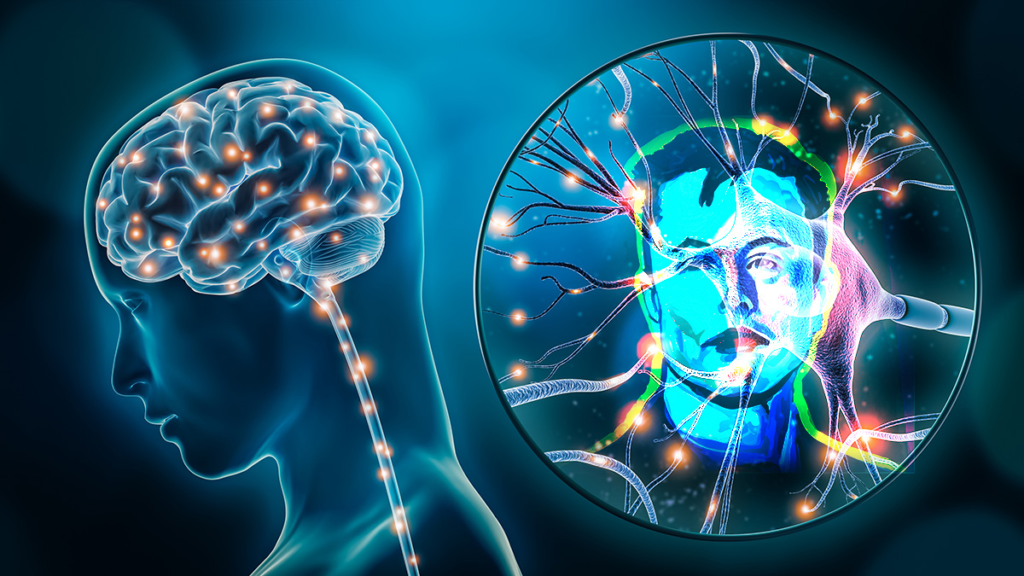
Psychology can help us understand patterns, but human beings cannot always be explained by one rule or one personality label.
A person’s behavior may change depending on their environment, relationships, experiences, goals, and current circumstances.
That’s why psychological information should be used as a tool for understanding rather than a shortcut for judging people.
Instead of saying, “That’s just how they are,” it can be more useful to ask, “What might be influencing their behavior?”
That small change in thinking can lead to more curiosity and empathy.
FAQ’S
1. What is psychology and human behavior?
Psychology is the study of the mind, emotions, thoughts, and behavior. It helps us understand why people think, feel, make decisions, and respond differently to situations.
2. Why is understanding human behavior important?
Understanding human behavior can help improve communication, relationships, decision-making, self-awareness, and emotional understanding in everyday life.
3. What influences human behavior?
Human behavior can be influenced by personality, emotions, past experiences, environment, relationships, culture, habits, and personal goals.
4. How do thoughts affect behavior?
Thoughts can influence emotions and actions. For example, believing that a difficult task is impossible may lead to avoidance, while viewing it as a learning opportunity may encourage effort.
5. Why do people develop habits?
Habits develop through repeated behaviors and familiar patterns. When a behavior repeatedly follows a particular cue and produces a rewarding or useful result, it can become easier to repeat.

Fitness & Active Living: Simple Ways to Stay Fit & Feel Great
Being fit does not always mean spending hours in a gym or following a strict…

History & Culture: Discover the Past and Its Traditions
History is more than a collection of dates, names, and old events. It is the…
The Ultimate Guide to Surprising Facts About the Mind
Have you ever wondered why you remember an embarrassing moment in Psychology from years ago?…
Self-Driving Technology: The Future of Autonomous Cars
Imagine getting into your car, entering a destination, and letting the vehicle handle the road…
Software & Apps Reviews: Discover the Best Digital Tools
Software & Apps Reviews: Discover the Best Digital Tools software or an app can look…
Instagram Trends: Latest Ideas for Reels & Social Growth
Instagram is no longer just a place to share polished photos. It has become a…